Markets Under Pressure: What Recent Volatility Means for Investors
Straight Path Financial Planning
Recent market volatility explained and what global risks mean for investors today.
Investment
Risk
Markets Under Pressure: What Recent Volatility Means for Investors
Straight Path Financial Planning
Recent market volatility explained and what global risks mean for investors today.
Investment
Risk
Markets Under Pressure: What Recent Volatility Means for Investors
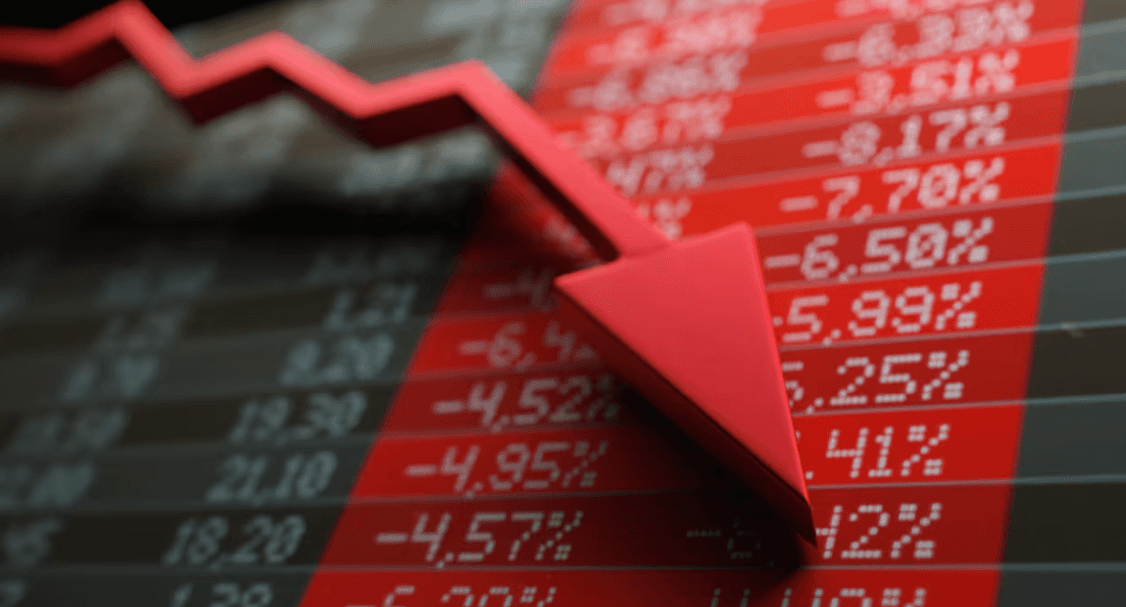
Global markets have entered a period of heightened volatility, with recent declines across major indices and increasing uncertainty driven by geopolitical tensions, inflation risks and economic data.
After several weeks of losses, major US indices have fallen into correction territory, while global markets have shown signs of strain. Investors are now facing a key question: is this a temporary disruption, or the start of a broader shift in market conditions?
What Is Driving the Current Volatility?
Several factors are contributing to recent market movements:
Geopolitical tension
Ongoing conflict in the Middle East has increased uncertainty across global markets. The situation has expanded beyond Iran, raising concerns about prolonged instability and broader economic impact.
Rising oil prices
Oil prices have surged significantly, with Brent crude moving above $100 per barrel. This reflects fears of supply disruption and escalating conflict in key energy regions.
Inflation concerns
Higher energy prices can feed into broader inflation, affecting everything from transport to consumer goods. This creates uncertainty around central bank policy and interest rates.
Equity market declines
Recent market data shows sharp losses across major indices, including a nearly 800-point drop in the Dow Jones and continued weekly declines.
Large-cap stock weakness
Major technology companies have experienced significant selloffs, with substantial value wiped from the market in a short period.
Global Impact
Market weakness is not limited to the US.
Across Asia and Europe:
Equity markets have declined
Investor sentiment has weakened
Recession risks are being considered
This reflects a broader concern that rising energy costs and prolonged conflict could slow global economic growth.
What Are Investors Watching Now?
Upcoming economic data is becoming increasingly important.
Key indicators include:
Employment data
Labour market reports
Corporate earnings
These will help determine whether the economy can absorb current pressures or if conditions are deteriorating further.
Is This a Short Term Shock or a Structural Shift?
Market corrections are a normal part of investing, but the drivers behind them matter.
Short term volatility may stabilise if:
Geopolitical tensions ease
Oil prices settle
Economic data remains resilient
However, prolonged conflict and sustained inflation could lead to:
Continued market pressure
Delayed interest rate cuts
Slower economic growth
What Should Investors Consider?
Periods like this highlight the importance of maintaining a disciplined approach.
Key considerations include:
• Staying diversified across asset classes
• Avoiding reactive decisions based on headlines
• Understanding exposure to inflation and energy prices
• Reviewing risk tolerance and investment timeframes
Want to learn more about investment risk and market volatility?
Visit www.straightpath.com.au/investment-advice
Markets Under Pressure: What Recent Volatility Means for Investors
Global markets have entered a period of heightened volatility, with recent declines across major indices and increasing uncertainty driven by geopolitical tensions, inflation risks and economic data.
After several weeks of losses, major US indices have fallen into correction territory, while global markets have shown signs of strain. Investors are now facing a key question: is this a temporary disruption, or the start of a broader shift in market conditions?
What Is Driving the Current Volatility?
Several factors are contributing to recent market movements:
Geopolitical tension
Ongoing conflict in the Middle East has increased uncertainty across global markets. The situation has expanded beyond Iran, raising concerns about prolonged instability and broader economic impact.
Rising oil prices
Oil prices have surged significantly, with Brent crude moving above $100 per barrel. This reflects fears of supply disruption and escalating conflict in key energy regions.
Inflation concerns
Higher energy prices can feed into broader inflation, affecting everything from transport to consumer goods. This creates uncertainty around central bank policy and interest rates.
Equity market declines
Recent market data shows sharp losses across major indices, including a nearly 800-point drop in the Dow Jones and continued weekly declines.
Large-cap stock weakness
Major technology companies have experienced significant selloffs, with substantial value wiped from the market in a short period.
Global Impact
Market weakness is not limited to the US.
Across Asia and Europe:
Equity markets have declined
Investor sentiment has weakened
Recession risks are being considered
This reflects a broader concern that rising energy costs and prolonged conflict could slow global economic growth.
What Are Investors Watching Now?
Upcoming economic data is becoming increasingly important.
Key indicators include:
Employment data
Labour market reports
Corporate earnings
These will help determine whether the economy can absorb current pressures or if conditions are deteriorating further.
Is This a Short Term Shock or a Structural Shift?
Market corrections are a normal part of investing, but the drivers behind them matter.
Short term volatility may stabilise if:
Geopolitical tensions ease
Oil prices settle
Economic data remains resilient
However, prolonged conflict and sustained inflation could lead to:
Continued market pressure
Delayed interest rate cuts
Slower economic growth
What Should Investors Consider?
Periods like this highlight the importance of maintaining a disciplined approach.
Key considerations include:
• Staying diversified across asset classes
• Avoiding reactive decisions based on headlines
• Understanding exposure to inflation and energy prices
• Reviewing risk tolerance and investment timeframes
Want to learn more about investment risk and market volatility?
Visit www.straightpath.com.au/investment-advice
Related Blogs
Discover more blogs that drove real results and helped clients achieve measurable, lasting growth worldwide.

Hejaz Islamic Super Is Closing: What Members Need to Know
Hejaz Islamic Super is closing. Learn the key 2026 deadlines, what happens to your super and what alternative Sharia-compliant options are available.
Islamic Finance
Superannuation
Hejaz Islamic Super Is Closing: What Members Need to Know
Hejaz Islamic Super is closing. Learn the key 2026 deadlines, what happens to your super and what alternative Sharia-compliant options are available.
Islamic Finance
Superannuation
Hejaz Islamic Super Is Closing: What Members Need to Know
Hejaz Islamic Super is closing. Learn the key 2026 deadlines, what happens to your super and what alternative Sharia-compliant options are available.
Islamic Finance
Superannuation

Choosing a Financial Planner in Brisbane: What Should You Look For?
Looking for a financial planner in Brisbane? Learn what to consider when choosing financial advice for super, investments, retirement and insurance.
Superannuation
Investment
Choosing a Financial Planner in Brisbane: What Should You Look For?
Looking for a financial planner in Brisbane? Learn what to consider when choosing financial advice for super, investments, retirement and insurance.
Superannuation
Investment
Choosing a Financial Planner in Brisbane: What Should You Look For?
Looking for a financial planner in Brisbane? Learn what to consider when choosing financial advice for super, investments, retirement and insurance.
Superannuation
Investment
Build a Strategy That Supports Your Long Term Goals.
Take the next step towards a clearer financial future. Speak with our team about your goals and find out how personalised financial advice may help.
Plan with clarity. Protect with structure. Retire with confidence.
Start with a Free Strategy Call
Build a Strategy That Supports Your Long Term Goals.
Take the next step towards a clearer financial future. Speak with our team about your goals and find out how personalised financial advice may help.
Plan with clarity. Protect with structure. Retire with confidence.
Start with a Free Strategy Call
Ready to
accelerate your business growth?
Take the next step towards a clearer financial future. Speak with our team about your goals and find out how personalised financial advice may help.