Gold and Silver Drop: Is This a Warning or an Opportunity?
Straight Path Financial Planning
Recent gold and silver drop explained and whether they still belong in portfolios.
Commodities
Investment
Gold and Silver Drop: Is This a Warning or an Opportunity?
Straight Path Financial Planning
Recent gold and silver drop explained and whether they still belong in portfolios.
Commodities
Investment
Gold and Silver Drop: Is This a Warning or an Opportunity?
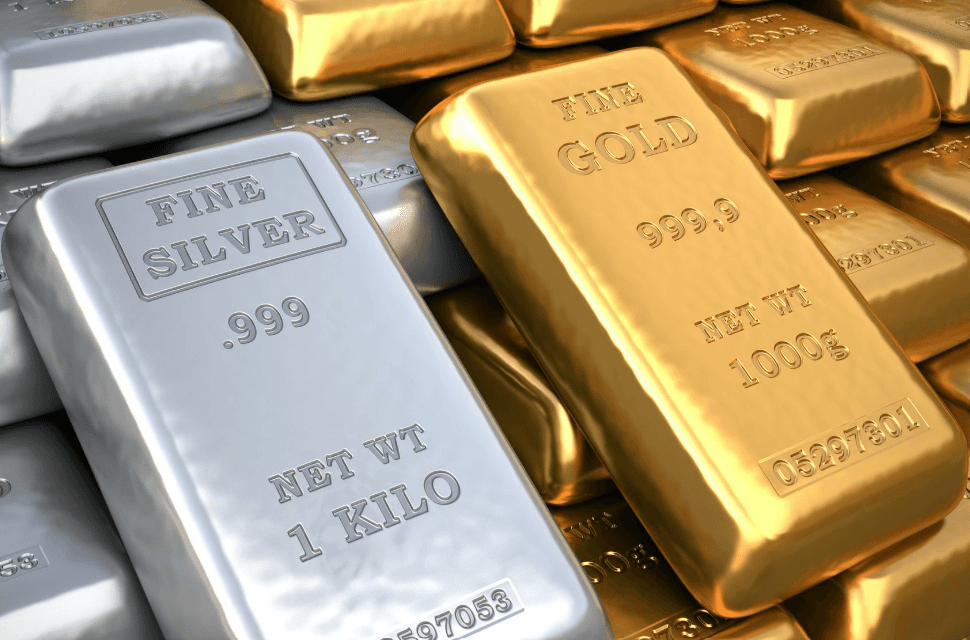
Gold and silver have experienced sharp volatility in recent months, including sudden declines of around 10–15% in short periods. After a strong rally through 2025 and early 2026, both metals have entered a correction phase, leaving many investors questioning their role in a portfolio.
The key question is whether this decline signals a structural shift, or simply a normal correction after rapid growth.
What Caused the Recent Drop?
Several factors have contributed to the recent pullback:
Rising interest rates and bond yields
Precious metals do not produce income. When interest rates rise, investors often shift toward assets that generate yield, reducing demand for gold and silver.
Stronger US dollar
Gold and silver are priced in US dollars. A stronger dollar makes them more expensive globally, which can reduce demand and push prices down.
Profit taking after strong gains
Both metals saw significant growth leading into 2026, with silver rising sharply and attracting speculative interest. Corrections often follow periods of rapid price increases.
Market positioning and liquidation
Large selloffs can be amplified when investors unwind leveraged positions, leading to rapid price declines such as the recent 15% drop in silver.
Why Didn’t Gold Act as a Safe Haven?
Historically, gold is viewed as a defensive asset during uncertainty. However, recent market behaviour has been different.
Despite geopolitical tensions, gold has declined instead of rising, partly due to higher interest rates and a stronger dollar attracting capital away from metals.
This highlights an important shift:
Gold is not always a short term hedge. Its behaviour can change depending on broader economic conditions.
Is This a Short Term Correction?
Market corrections in commodities are not unusual, especially after strong rallies.
Recent data shows:
Gold and silver reached record highs earlier in the year
Volatility has increased significantly
Pullbacks are occurring alongside changing interest rate expectations
In many cases, these types of moves represent repricing rather than collapse.
Should Gold and Silver Be in a Portfolio?
Gold and silver are not designed to replace core growth assets, but they can play specific roles.
Potential benefits:
• Diversification from equities
• Store of value over long periods
• Protection during certain inflationary environments
Gold, in particular, has historically shown low correlation to equities, making it useful as a portfolio stabiliser.
Silver can provide similar exposure but tends to be more volatile, as it is influenced by both investment demand and industrial use.
Risks to Consider
Precious metals are not risk free.
Key risks include:
• High short term volatility
• No income generation
• Sensitivity to interest rates
• Dependence on investor sentiment
Recent price movements reinforce that gold and silver can fall sharply, even during uncertain periods.
So, What Should Investors Do?
The recent drop raises an important question:
Is this a signal to avoid metals, or a reminder of their role within a diversified portfolio?
For many investors, the answer is not all or nothing.
Gold and silver are typically used as a small allocation, rather than a core holding. Their role is to complement a broader strategy, not drive returns.
Want to learn more about accessing gold and silver through your super?
Visit www.straightpath.com.au/superannuation-advice
Gold and Silver Drop: Is This a Warning or an Opportunity?
Gold and silver have experienced sharp volatility in recent months, including sudden declines of around 10–15% in short periods. After a strong rally through 2025 and early 2026, both metals have entered a correction phase, leaving many investors questioning their role in a portfolio.
The key question is whether this decline signals a structural shift, or simply a normal correction after rapid growth.
What Caused the Recent Drop?
Several factors have contributed to the recent pullback:
Rising interest rates and bond yields
Precious metals do not produce income. When interest rates rise, investors often shift toward assets that generate yield, reducing demand for gold and silver.
Stronger US dollar
Gold and silver are priced in US dollars. A stronger dollar makes them more expensive globally, which can reduce demand and push prices down.
Profit taking after strong gains
Both metals saw significant growth leading into 2026, with silver rising sharply and attracting speculative interest. Corrections often follow periods of rapid price increases.
Market positioning and liquidation
Large selloffs can be amplified when investors unwind leveraged positions, leading to rapid price declines such as the recent 15% drop in silver.
Why Didn’t Gold Act as a Safe Haven?
Historically, gold is viewed as a defensive asset during uncertainty. However, recent market behaviour has been different.
Despite geopolitical tensions, gold has declined instead of rising, partly due to higher interest rates and a stronger dollar attracting capital away from metals.
This highlights an important shift:
Gold is not always a short term hedge. Its behaviour can change depending on broader economic conditions.
Is This a Short Term Correction?
Market corrections in commodities are not unusual, especially after strong rallies.
Recent data shows:
Gold and silver reached record highs earlier in the year
Volatility has increased significantly
Pullbacks are occurring alongside changing interest rate expectations
In many cases, these types of moves represent repricing rather than collapse.
Should Gold and Silver Be in a Portfolio?
Gold and silver are not designed to replace core growth assets, but they can play specific roles.
Potential benefits:
• Diversification from equities
• Store of value over long periods
• Protection during certain inflationary environments
Gold, in particular, has historically shown low correlation to equities, making it useful as a portfolio stabiliser.
Silver can provide similar exposure but tends to be more volatile, as it is influenced by both investment demand and industrial use.
Risks to Consider
Precious metals are not risk free.
Key risks include:
• High short term volatility
• No income generation
• Sensitivity to interest rates
• Dependence on investor sentiment
Recent price movements reinforce that gold and silver can fall sharply, even during uncertain periods.
So, What Should Investors Do?
The recent drop raises an important question:
Is this a signal to avoid metals, or a reminder of their role within a diversified portfolio?
For many investors, the answer is not all or nothing.
Gold and silver are typically used as a small allocation, rather than a core holding. Their role is to complement a broader strategy, not drive returns.
Want to learn more about accessing gold and silver through your super?
Visit www.straightpath.com.au/superannuation-advice
Related Blogs
Discover more blogs that drove real results and helped clients achieve measurable, lasting growth worldwide.

Hejaz Islamic Super Is Closing: What Members Need to Know
Hejaz Islamic Super is closing. Learn the key 2026 deadlines, what happens to your super and what alternative Sharia-compliant options are available.
Islamic Finance
Superannuation
Hejaz Islamic Super Is Closing: What Members Need to Know
Hejaz Islamic Super is closing. Learn the key 2026 deadlines, what happens to your super and what alternative Sharia-compliant options are available.
Islamic Finance
Superannuation
Hejaz Islamic Super Is Closing: What Members Need to Know
Hejaz Islamic Super is closing. Learn the key 2026 deadlines, what happens to your super and what alternative Sharia-compliant options are available.
Islamic Finance
Superannuation

Choosing a Financial Planner in Brisbane: What Should You Look For?
Looking for a financial planner in Brisbane? Learn what to consider when choosing financial advice for super, investments, retirement and insurance.
Superannuation
Investment
Choosing a Financial Planner in Brisbane: What Should You Look For?
Looking for a financial planner in Brisbane? Learn what to consider when choosing financial advice for super, investments, retirement and insurance.
Superannuation
Investment
Choosing a Financial Planner in Brisbane: What Should You Look For?
Looking for a financial planner in Brisbane? Learn what to consider when choosing financial advice for super, investments, retirement and insurance.
Superannuation
Investment
Build a Strategy That Supports Your Long Term Goals.
Take the next step towards a clearer financial future. Speak with our team about your goals and find out how personalised financial advice may help.
Plan with clarity. Protect with structure. Retire with confidence.
Start with a Free Strategy Call
Build a Strategy That Supports Your Long Term Goals.
Take the next step towards a clearer financial future. Speak with our team about your goals and find out how personalised financial advice may help.
Plan with clarity. Protect with structure. Retire with confidence.
Start with a Free Strategy Call
Ready to
accelerate your business growth?
Take the next step towards a clearer financial future. Speak with our team about your goals and find out how personalised financial advice may help.