Could Escalating Tensions in Iran Disrupt Global Markets?
Mar 1, 2026
How rising tensions in Iran could influence oil prices and global markets.
investment
Crash
Could Escalating Tensions in Iran Disrupt Global Markets?
Mar 1, 2026
How rising tensions in Iran could influence oil prices and global markets.
investment
Crash
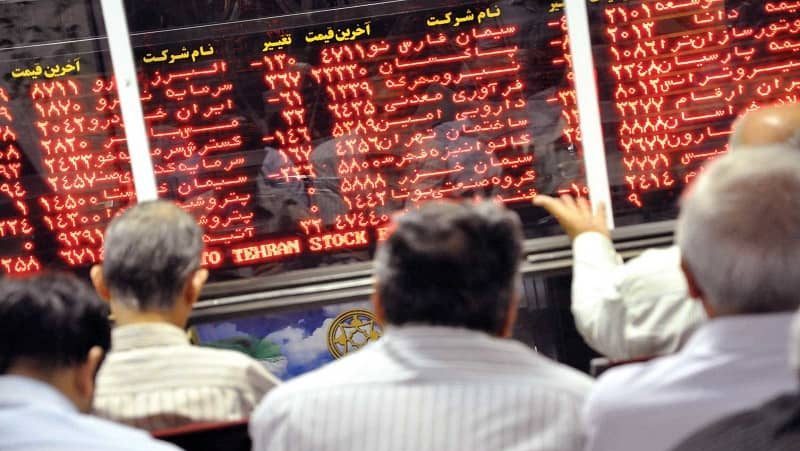
Could Escalating Tensions in Iran Disrupt Global Markets?
Geopolitical tensions in the Middle East, particularly involving Iran, often raise concerns for global investors. The region plays a significant role in global energy supply, and any instability can quickly affect oil prices, inflation expectations and broader market sentiment.
When uncertainty rises, financial markets tend to react before outcomes are clear. The key question becomes whether events remain contained or escalate into prolonged disruption.
Why Does Iran Matter to Markets?
Iran sits in a strategically critical region for global oil exports. Even if direct supply disruptions are limited, perceived risk alone can drive price volatility.
Several channels link geopolitical tensions to financial markets:
Energy prices
Heightened conflict risk can push oil prices higher. Energy price increases feed into transportation, manufacturing and household costs globally.
Inflation expectations
Rising oil prices can contribute to broader inflation pressures. This may influence central bank decisions on interest rates, affecting bond and equity markets.
Market sentiment
Geopolitical instability increases uncertainty. Investors often shift toward defensive assets such as gold, government bonds or defensive sectors.
Sector rotation
Energy and defence related stocks may benefit during periods of tension, while consumer discretionary and growth sectors may experience volatility.
Is This a Short Term Shock or Structural Risk?
Historically, markets often react sharply to geopolitical events but stabilise once the situation becomes clearer. Sustained market impact typically depends on:
• Duration of conflict
• Direct supply disruptions
• Impact on global trade routes
• Broader regional involvement
If tensions remain contained, markets may treat the situation as a temporary risk premium. If disruptions escalate or affect global supply chains, the economic consequences may be more prolonged.
What Should Investors Consider?
Periods of geopolitical tension highlight the importance of diversification and disciplined portfolio construction. Reacting emotionally to headlines can increase long term risk.
Key considerations include:
• Maintaining appropriate asset allocation
• Avoiding concentrated sector exposure
• Understanding inflation sensitivity within the portfolio
• Reviewing risk tolerance and time horizon
Could Escalating Tensions in Iran Disrupt Global Markets?
Geopolitical tensions in the Middle East, particularly involving Iran, often raise concerns for global investors. The region plays a significant role in global energy supply, and any instability can quickly affect oil prices, inflation expectations and broader market sentiment.
When uncertainty rises, financial markets tend to react before outcomes are clear. The key question becomes whether events remain contained or escalate into prolonged disruption.
Why Does Iran Matter to Markets?
Iran sits in a strategically critical region for global oil exports. Even if direct supply disruptions are limited, perceived risk alone can drive price volatility.
Several channels link geopolitical tensions to financial markets:
Energy prices
Heightened conflict risk can push oil prices higher. Energy price increases feed into transportation, manufacturing and household costs globally.
Inflation expectations
Rising oil prices can contribute to broader inflation pressures. This may influence central bank decisions on interest rates, affecting bond and equity markets.
Market sentiment
Geopolitical instability increases uncertainty. Investors often shift toward defensive assets such as gold, government bonds or defensive sectors.
Sector rotation
Energy and defence related stocks may benefit during periods of tension, while consumer discretionary and growth sectors may experience volatility.
Is This a Short Term Shock or Structural Risk?
Historically, markets often react sharply to geopolitical events but stabilise once the situation becomes clearer. Sustained market impact typically depends on:
• Duration of conflict
• Direct supply disruptions
• Impact on global trade routes
• Broader regional involvement
If tensions remain contained, markets may treat the situation as a temporary risk premium. If disruptions escalate or affect global supply chains, the economic consequences may be more prolonged.
What Should Investors Consider?
Periods of geopolitical tension highlight the importance of diversification and disciplined portfolio construction. Reacting emotionally to headlines can increase long term risk.
Key considerations include:
• Maintaining appropriate asset allocation
• Avoiding concentrated sector exposure
• Understanding inflation sensitivity within the portfolio
• Reviewing risk tolerance and time horizon
Related Blogs
Discover more blogs that drove real results and helped clients achieve measurable, lasting growth worldwide.
Markets Under Pressure: What Recent Volatility Means for Investors
Recent market volatility explained and what global risks mean for investors today.
Investment
Risk
Markets Under Pressure: What Recent Volatility Means for Investors
Recent market volatility explained and what global risks mean for investors today.
Investment
Risk
Markets Under Pressure: What Recent Volatility Means for Investors
Recent market volatility explained and what global risks mean for investors today.
Investment
Risk
Gold and Silver Drop: Is This a Warning or an Opportunity?
Recent gold and silver drop explained and whether they still belong in portfolios.
Commodities
Investment
Gold and Silver Drop: Is This a Warning or an Opportunity?
Recent gold and silver drop explained and whether they still belong in portfolios.
Commodities
Investment
Gold and Silver Drop: Is This a Warning or an Opportunity?
Recent gold and silver drop explained and whether they still belong in portfolios.
Commodities
Investment
Build a Strategy That Supports Your Long Term Goals.
Let’s create strategies that deliver measurable results. Partner with us to unlock new opportunities for sustainable success.
Plan with clarity. Protect with structure. Retire with confidence.
Start with a Free Strategy Call
Build a Strategy That Supports Your Long Term Goals.
Let’s create strategies that deliver measurable results. Partner with us to unlock new opportunities for sustainable success.
Plan with clarity. Protect with structure. Retire with confidence.
Start with a Free Strategy Call
Ready to
accelerate your business growth?
Let’s create strategies that deliver measurable results. Partner with us to unlock new opportunities for sustainable success.