Understanding Personal Insurance: Life, TPD, Income Protection and Trauma
Straight Path Financial Planning
Clear overview of life, TPD, income protection and trauma insurance cover.
Insurance
Insurance
Understanding Personal Insurance: Life, TPD, Income Protection and Trauma
Straight Path Financial Planning
Clear overview of life, TPD, income protection and trauma insurance cover.
Insurance
Insurance
Understanding Personal Insurance: Life, TPD, Income Protection and Trauma
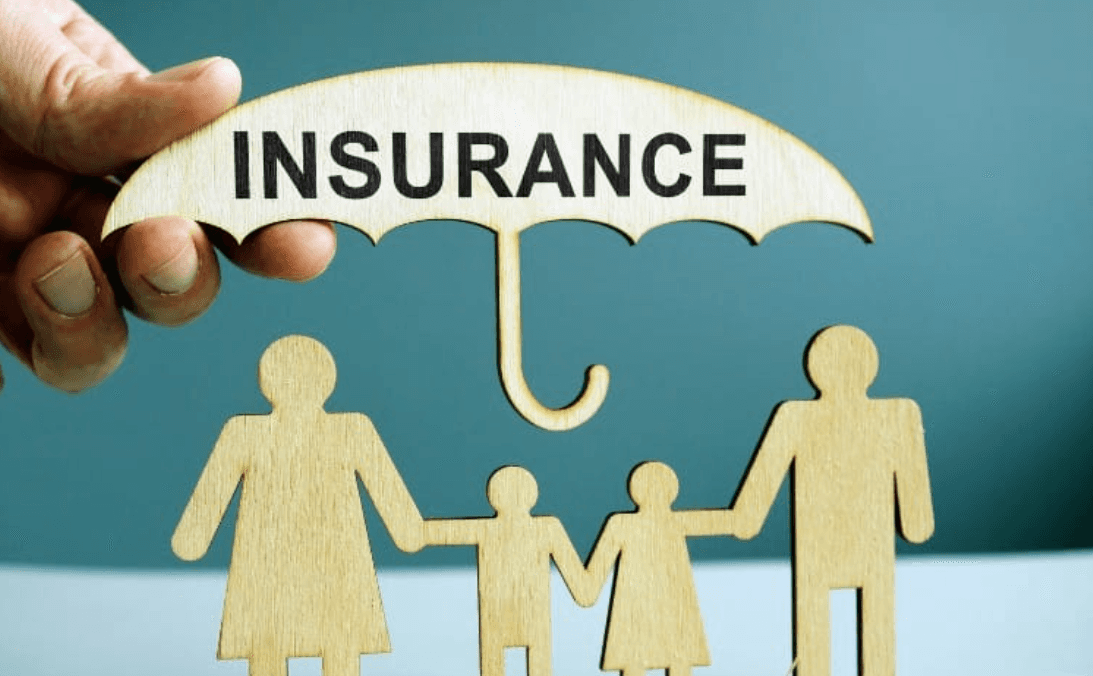
Personal insurance is designed to protect you and your family from the financial impact of illness, injury or death. The four main types of cover are Life insurance, Total and Permanent Disability, Income Protection and Trauma insurance. Each serves a different purpose.
Life Insurance
Life insurance pays a lump sum to your beneficiaries if you pass away or are diagnosed with a terminal illness. The payment can be used to:
• Repay debts such as a mortgage
• Provide income support for dependants
• Cover education costs
• Fund ongoing living expenses
The purpose of life cover is to protect those who rely on your income or financial support.
Total and Permanent Disability Insurance
TPD insurance pays a lump sum if you become permanently unable to work due to illness or injury. The definition of disability can vary depending on the policy, commonly based on your ability to work in your own occupation or any occupation suited to your experience and education.
The benefit may assist with:
• Clearing debts
• Covering medical or rehabilitation costs
• Modifying your home
• Providing long term financial security
Income Protection Insurance
Income protection replaces a portion of your income if you are temporarily unable to work due to illness or injury. Benefits are usually paid monthly after a waiting period and can continue for a specified benefit period.
This type of cover helps maintain cash flow and manage ongoing expenses such as mortgage repayments, rent and household costs.
Trauma Insurance
Trauma insurance, also known as critical illness cover, pays a lump sum if you are diagnosed with a specified serious condition such as cancer, heart attack or stroke.
Unlike TPD, trauma does not require you to be permanently unable to work. The benefit can be used for medical treatment, recovery time, reducing debt or easing financial pressure during rehabilitation.
Insurance is not an investment. It is a risk management tool. The appropriate level and type of cover depends on personal circumstances, financial commitments, dependants and overall strategy. Reviewing policies regularly helps ensure cover remains aligned with your current needs.
Interested in knowing more about life, tpd, income protection?
Visit: www.straightpath.com.au/insurance-advice
Understanding Personal Insurance: Life, TPD, Income Protection and Trauma
Personal insurance is designed to protect you and your family from the financial impact of illness, injury or death. The four main types of cover are Life insurance, Total and Permanent Disability, Income Protection and Trauma insurance. Each serves a different purpose.
Life Insurance
Life insurance pays a lump sum to your beneficiaries if you pass away or are diagnosed with a terminal illness. The payment can be used to:
• Repay debts such as a mortgage
• Provide income support for dependants
• Cover education costs
• Fund ongoing living expenses
The purpose of life cover is to protect those who rely on your income or financial support.
Total and Permanent Disability Insurance
TPD insurance pays a lump sum if you become permanently unable to work due to illness or injury. The definition of disability can vary depending on the policy, commonly based on your ability to work in your own occupation or any occupation suited to your experience and education.
The benefit may assist with:
• Clearing debts
• Covering medical or rehabilitation costs
• Modifying your home
• Providing long term financial security
Income Protection Insurance
Income protection replaces a portion of your income if you are temporarily unable to work due to illness or injury. Benefits are usually paid monthly after a waiting period and can continue for a specified benefit period.
This type of cover helps maintain cash flow and manage ongoing expenses such as mortgage repayments, rent and household costs.
Trauma Insurance
Trauma insurance, also known as critical illness cover, pays a lump sum if you are diagnosed with a specified serious condition such as cancer, heart attack or stroke.
Unlike TPD, trauma does not require you to be permanently unable to work. The benefit can be used for medical treatment, recovery time, reducing debt or easing financial pressure during rehabilitation.
Insurance is not an investment. It is a risk management tool. The appropriate level and type of cover depends on personal circumstances, financial commitments, dependants and overall strategy. Reviewing policies regularly helps ensure cover remains aligned with your current needs.
Interested in knowing more about life, tpd, income protection?
Visit: www.straightpath.com.au/insurance-advice
Related Blogs
Discover more blogs that drove real results and helped clients achieve measurable, lasting growth worldwide.

Hejaz Islamic Super Is Closing: What Members Need to Know
Hejaz Islamic Super is closing. Learn the key 2026 deadlines, what happens to your super and what alternative Sharia-compliant options are available.
Islamic Finance
Superannuation
Hejaz Islamic Super Is Closing: What Members Need to Know
Hejaz Islamic Super is closing. Learn the key 2026 deadlines, what happens to your super and what alternative Sharia-compliant options are available.
Islamic Finance
Superannuation
Hejaz Islamic Super Is Closing: What Members Need to Know
Hejaz Islamic Super is closing. Learn the key 2026 deadlines, what happens to your super and what alternative Sharia-compliant options are available.
Islamic Finance
Superannuation

Choosing a Financial Planner in Brisbane: What Should You Look For?
Looking for a financial planner in Brisbane? Learn what to consider when choosing financial advice for super, investments, retirement and insurance.
Superannuation
Investment
Choosing a Financial Planner in Brisbane: What Should You Look For?
Looking for a financial planner in Brisbane? Learn what to consider when choosing financial advice for super, investments, retirement and insurance.
Superannuation
Investment
Choosing a Financial Planner in Brisbane: What Should You Look For?
Looking for a financial planner in Brisbane? Learn what to consider when choosing financial advice for super, investments, retirement and insurance.
Superannuation
Investment
Build a Strategy That Supports Your Long Term Goals.
Take the next step towards a clearer financial future. Speak with our team about your goals and find out how personalised financial advice may help.
Plan with clarity. Protect with structure. Retire with confidence.
Start with a Free Strategy Call
Build a Strategy That Supports Your Long Term Goals.
Take the next step towards a clearer financial future. Speak with our team about your goals and find out how personalised financial advice may help.
Plan with clarity. Protect with structure. Retire with confidence.
Start with a Free Strategy Call
Ready to
accelerate your business growth?
Take the next step towards a clearer financial future. Speak with our team about your goals and find out how personalised financial advice may help.